Credit Tips Before Buying a Home | Alabama Home Loans
Thinking About Buying a Home? Check Your Credit First (It Won't Hurt Your Score)
If you're thinking about buying a home, there's a good chance you've put off looking at your credit.
I hear it all the time:
"I don't want to check it. I heard that lowers your score."
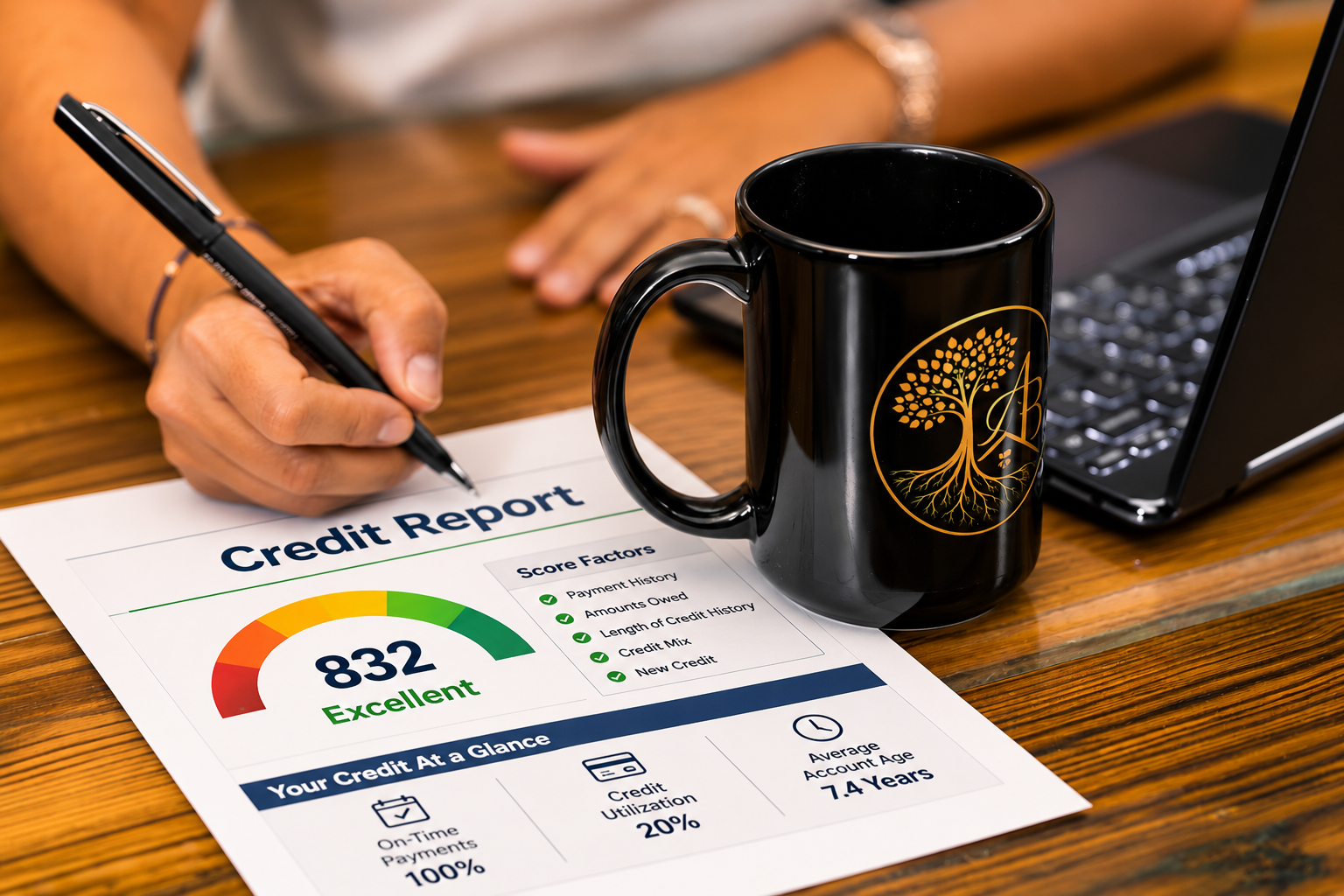
It doesn't. Checking your own credit report or credit score has no impact on your credit score. In fact, I would rather you know where you stand several months before you're ready to apply for a mortgage.
What can hurt your score are a few everyday habits that people don't always think about. And when you're getting ready to buy a home, those habits matter. Your credit score can affect the mortgage programs available to you and the interest rate you're offered.
Even a small difference in your rate can add up over the life of a mortgage.
So before you start looking at houses, let's talk about a few things I want every buyer to understand about their credit.
Why Checking Your Own Credit Is Safe
When you check your own credit, it's considered a soft inquiry. Soft inquiries don't lower your credit score.
The same goes for certain account reviews by your existing creditors and preapproved credit offers. You may see these inquiries on your report, but they aren't treated the same way as applications for new credit.
A hard inquiry is different. That happens when you apply for new credit, such as a credit card, car loan or mortgage, and the lender checks your credit to make a lending decision.
So go ahead and check your credit. Don't let this myth keep you from knowing where you stand.
You can get free copies of your credit reports from all three major credit bureaus: Equifax, Experian and TransUnion, through AnnualCreditReport.com. It's the official website, and free online reports are available weekly.
Once you have your reports, take some time to review them.
Look for:
Accounts you don't recognize.
Late payments that you believe were reported incorrectly.
Balances that don't look right.
Old debts or other information that may be inaccurate.
Signs of identity theft.
If you find a mistake, you have the right to dispute it. The CFPB explains how to dispute errors on your credit report, including contacting the credit bureau and the company that reported the information.
A dispute can take time to resolve. That's one more reason to check your reports months before you plan to buy, not the week you apply.
One thing to remember: your free credit report shows your credit history, but it doesn't necessarily include your credit score. Your bank or credit card company may provide a free score, but it might use a different scoring model than the one used for your mortgage.
That's okay. It's still a helpful starting point. When you're ready to discuss a mortgage, I'll review the credit information used for the loan.
Late Payments Can Do More Damage Than You Think
Payment history is the biggest factor in a FICO credit score, accounting for approximately 35% of the calculation.
A payment that is 30 days or more past due may be reported to the credit bureaus. A late payment can remain on your credit report for up to seven years, although its impact generally lessens as time passes.
And here's something I see people overlook: missed payments aren't always caused by financial problems.
Sometimes it's a busy month. Maybe you forgot about an old store credit card, a payment date changed, or you thought autopay was already set up.
A few simple habits can help:
Set up autopay for at least the minimum payment on your credit cards and loans.
Set reminders a few days before payments are due.
Check accounts you don't use very often.
Review your statements so you catch changes or unexpected charges.
If you've missed a payment, get the account current as soon as possible and focus on making every payment on time moving forward.
Don't assume one mistake means you can't buy a home. Let's look at the entire credit picture before making that decision.
You can read more about how FICO calculates credit scores directly from FICO's credit education center.
High Credit Card Balances Can Lower Your Score
This one surprises a lot of people.
You can make every payment on time and still see your credit score drop if your credit card balances are high compared to your available limits.
This is called credit utilization.
FICO considers amounts owed, including credit utilization, to be approximately 30% of its scoring calculation.
Here's an example:
Let's say you have a credit card with a $5,000 limit.
A $4,500 balance means you're using 90% of your available credit.
A $1,000 balance means you're using 20%.
That's a big difference.
Another thing people don't always realize is that credit card companies typically report balances around the statement closing date. So even if you pay your card in full every month, the balance reported to the credit bureaus may be higher than you expect.
If you're planning to buy a home in the next few months, here's what I'd recommend:
Pay balances down before your statement closing date when possible.
Avoid putting large purchases on one credit card.
Keep an eye on your overall credit utilization.
Think twice before closing an old credit card, since doing so can reduce your total available credit.
With the holidays approaching, this is especially important. It's easy to put extra spending on credit cards without realizing how much those balances can affect your credit.
New Credit Applications: What Mortgage Buyers Should Know
Every time you apply for new credit, the lender may pull your credit report with a hard inquiry.
One inquiry generally has a relatively small impact, but several applications in a short period can add up. Opening new accounts can also affect the average age of your credit history.
If you're planning to apply for a mortgage soon, I'd avoid:
Opening a store credit card just to get a discount.
Financing a new vehicle.
Buying furniture or appliances on credit.
Co-signing a loan for someone else.
New debt can also affect your debt-to-income ratio, which plays an important role in mortgage qualification.
That new car payment you've been thinking about could change how much you're able to qualify for.
But there's one important exception: mortgage rate shopping.
Credit scoring models recognize that consumers shop around for mortgage rates. Multiple mortgage inquiries made within a qualifying shopping period are generally treated as one inquiry for scoring purposes.
Depending on the scoring model, that window can range from 14 to 45 days.
The Consumer Financial Protection Bureau explains how mortgage rate shopping inquiries are treated.
So don't let the fear of credit inquiries keep you from comparing mortgage options. Just keep your rate shopping within a focused period and coordinate with your mortgage professional.
This is also one reason I like working with buyers early. As a mortgage broker, I can compare loan options from multiple lenders and help you understand what's available without you having to apply separately with every lender.
What Should You Do Before Applying for a Mortgage?
Your credit score isn't set in stone. It can change as your credit history and account balances change.
If buying a home is somewhere on your radar over the next 6–12 months, I'd start with these steps:
Pull your credit reports. Review all three bureaus and look for errors.
Set up automatic payments. Don't let a forgotten due date create a problem.
Pay down credit card balances. Pay attention to statement closing dates, not just payment due dates.
Avoid unnecessary new credit. Hold off on store cards, new loans and large financed purchases.
Talk with a mortgage professional early. You don't have to wait until you're ready to make an offer.
You may be closer to qualifying for a mortgage than you think. And if there are a few things that need attention, finding out early gives us time to put a plan together.
Let's Talk Before You're Ready to Buy
One of the biggest mistakes I see is buyers waiting until they find a house to start asking questions about their credit.
I'd much rather have that conversation months ahead of time.
Whether you're buying your first home, moving to a different home or relocating to Alabama, we can review your credit, talk about your goals and figure out what makes sense for your situation.
I work with buyers throughout Opelika, Auburn, the greater Birmingham area and surrounding Alabama communities, helping them understand their mortgage options and what steps to take next.
You don't need perfect credit to start a conversation. You just need to know where you stand.
Thinking about buying a home? Let's talk.
Amanda Blalock
Home Loans | Powered by Creative 1st Mortgage
Visit AmandaBlalock.com to get started.